

Pre Law Courses
In the United States, pre-law refers to any course of study taken by an undergraduate in preparation for study at a law school.
The American Bar Association requires law schools that it approves to require at least a bachelor's degree for North American students for admission. But no specific degree or major is considered "pre-law";[1] unlike pre-med, an undergraduate student is not required to take a set of prerequisites in order to get into law school. Therefore, universities lack an official "pre-law" concentration. Both holders of Bachelor of Arts and Bachelor of Science degrees (and more rarely, higher degrees such as the master's degree and doctorate), as well as students of most undergraduate majors attend law schools. Specific law schools have their own requirements; there are also standard requirements set forth by the ABA and the Law School Admission Council.
In 2001, the five most common majors of students entering law school were political science, history, English, psychology, and criminal justice.[2] The five majors with the highest acceptance rates were physics, philosophy, biology, chemistry, and government service.[2]
A pre-law program is sometimes offered at some American colleges and universities;[3] however, it is considered to be a "track" that follows a certain curriculum.
Undergraduate Studies - Pre Law
- Communication
- English Composition
- Rhetoric
- Theatre
- Philosophy
- Statistics
- Economics
- Entrepreneurship
- Anthropology
- History
- Psychology
- Sociology
- Political science
- Economics
- Government
- Study on Law
Pre-law students may be advised or required to take upper-level political science and sociology electives, such as legal systems, criminal law, international law, policy, etc. Specific requirements for these courses vary by institution.
Salaries in Law
| Paralegal/Assistant | $47k/year | ||||
| Court Reporter | $48k/year | ||||
| Arbitrator/Mediator | $62k/year | ||||
| Judge / Hearing Officer | $103k/year | ||||
| Lawyer | $113k/year |
Schools that offer Bachelors for law

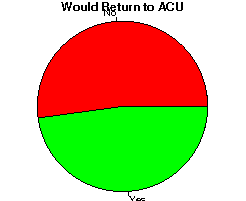


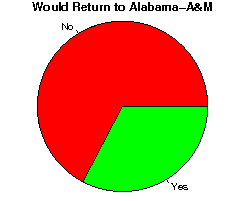
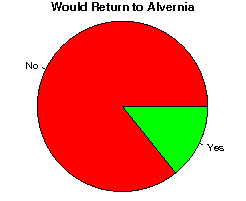
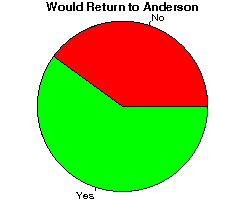
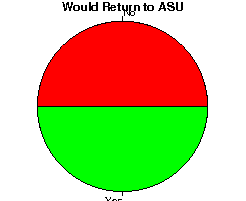
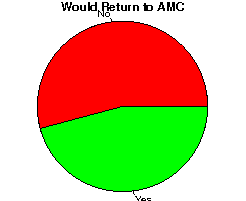



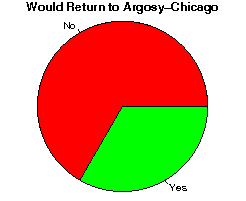
PreLaw and Legal Major unemployment rate
Are things going well in PreLaw and Legal?
Graduates who stayed in PreLaw and Legal
| StudentsReview Advice!• What is a good school?• Statistical Significance • How to choose a Major • How to choose your Career • What you make of it? • How Ivy League Admissions works • On the Student/Faculty Ratio • FAFSA: Who is a Parent? • FAFSA: Parent Contribution • FAFSA: Dream out of reach • College Financial Planning • Survive College and Graduate • Sniffing Out Commuter Schools • Preparing for College: A HS Roadmap • Talking to Your Parents about College. • Is a top college worth it? • Why is college hard? • Why Kids Aren't Happy in Traditional Schools |

 | ||
| ||
|
About Us Advertise! Press Privacy Legal
Colleges in City Colleges in State Lists of Rankings by State Scholarship Search Misc Links A Doctors Guide To
Top Automotive Engineering SchoolsBest Schools for BusinessTop Chemical Engineering SchoolsTop Computer Engineering SchoolsTop Graphic Design Schools

Send Comments or Suggestions
sradmin@studentsreview.com