


Teaching Credential Programs
In the United States, rules and procedures for certification vary by state, and are usually regulated by the state Department of Education. Normally, a bachelor's degree with a major in a certifiable area (English/language arts, fine arts, science, math, etc.) is a minimum requirement, along with rigorous coursework in pedagogical methods and practical field experiences as "student teachers." Many states also require that teachers pass standardized exams at the national or state levels in the subjects they teach and the methods of teaching those subjects, and that they undergo supervised evaluation during their first years of teaching. Some states use graduated licensing programs (i.e., initial, Stage II, Rank I, professional, provisional, etc.). In some cases, a license to teach in one state can facilitate the obtainment of a license in another state.
In some states, alternate route teacher certification is permitted. New Jersey was the first state to establish an Alternate Route program, doing so in 1984. Since then, most states have established their own programs.
Teachers in all states must have a Bachelor's degree. Many states require appropriate teacher preparation coursework before employment or the completion of a content-based or teaching-based Master's degree within a stated number of years. Additionally, to be permanently certified, many states require that teachers pass exams on pedagogy, general knowledge and knowledge of a content area. Some states require teacher candidates to be fingerprinted prior to certification.
The two companies responsible for developing and administering the majority of teacher certification tests in the United States are Educational Testing Service (ETS) and the Evaluation Systems group of Pearson Education (formerly National Evaluation Systems, Inc.). ETS offers the Praxis tests, which are standardized across the nation ("off-the-shelf tests"), while Pearson customizes each testing program for the individual state in which it is offered. In general, it is easier to transfer certification between two states that both use the Praxis test, as the retaking of tests is usually not required in those instances. Contracts to manage state testing procedures are usually put out for bidding from different testing companies every 4–6 years.
In addition, the National Board for Professional Teaching Standards, an independent Non-Governmental Organization based in Alexandria, VA, offers voluntary certification to teachers, school counselors, and school library/media specialists. National Board Teaching Certification is widely regarded as a highly prized distinction. While every state has some form of recognition for these National Board Certificates, the specific nature of that recognition varies from state to state.In the United States, rules and procedures for certification vary by state, and are usually regulated by the state Department of Education. Normally, a bachelor's degree with a major in a certifiable area (English/language arts, fine arts, science, math, etc.) is a minimum requirement, along with rigorous coursework in pedagogical methods and practical field experiences as "student teachers." Many states also require that teachers pass standardized exams at the national or state levels in the subjects they teach and the methods of teaching those subjects, and that they undergo supervised evaluation during their first years of teaching. Some states use graduated licensing programs (i.e., initial, Stage II, Rank I, professional, provisional, etc.). In some cases, a license to teach in one state can facilitate the obtainment of a license in another state.
In some states, alternate route teacher certification is permitted. New Jersey was the first state to establish an Alternate Route program, doing so in 1984. Since then, most states have established their own programs.
Teachers in all states must have a Bachelor's degree. Many states require appropriate teacher preparation coursework before employment or the completion of a content-based or teaching-based Master's degree within a stated number of years. Additionally, to be permanently certified, many states require that teachers pass exams on pedagogy, general knowledge and knowledge of a content area. Some states require teacher candidates to be fingerprinted prior to certification.
The two companies responsible for developing and administering the majority of teacher certification tests in the United States are Educational Testing Service (ETS) and the Evaluation Systems group of Pearson Education (formerly National Evaluation Systems, Inc.). ETS offers the Praxis tests, which are standardized across the nation ("off-the-shelf tests"), while Pearson customizes each testing program for the individual state in which it is offered. In general, it is easier to transfer certification between two states that both use the Praxis test, as the retaking of tests is usually not required in those instances. Contracts to manage state testing procedures are usually put out for bidding from different testing companies every 4–6 years.
In addition, the National Board for Professional Teaching Standards, an independent Non-Governmental Organization based in Alexandria, VA, offers voluntary certification to teachers, school counselors, and school library/media specialists. National Board Teaching Certification is widely regarded as a highly prized distinction. While every state has some form of recognition for these National Board Certificates, the specific nature of that recognition varies from state to state.
| Teacher Salaries | |||
|---|---|---|---|
| 2012 Median Pay | Teacher Assistant | $24k/year | |
| 2012 Median Pay | Kindergarten / Elementary Teacher | $56k/year | |
| 2012 Median Pay | Middles School Teacher | $56k/year | |
| 2012 Median Pay | High School Teacher | $58k/year | |
| 2012 Median Pay | Post Secondary Teacher | $68k/year | |
| 2012 Median Pay | Special Education Teacher | $55k/year | |
| 2012 Median Pay | Guidance Counselors | $56k/year | |
| 2012 Median Pay | Principals | $56k/year | |
| 2012 Median Pay | Education Administrators | $90k/year | |
| 2012 Median Pay | Post Secondary Administrator | $86k/year | |
| Education Major | |||||||||
|---|---|---|---|---|---|---|---|---|---|
| Educational Degrees | |||||||||
| Bachelors of Education | Education Graduate Programs | PhD Education | |||||||
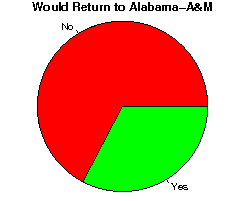
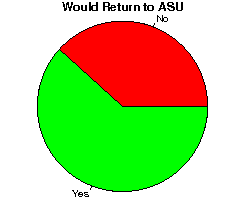
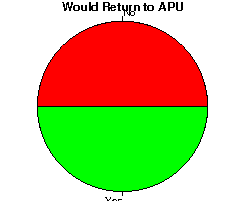
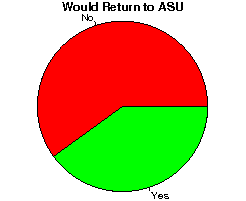
Schools that offer Bachelors for education

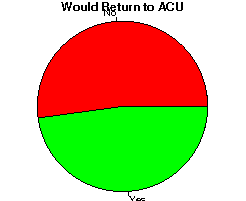


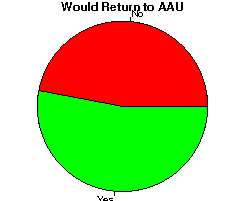
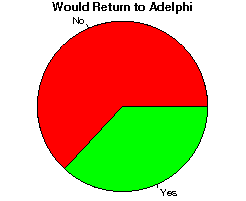
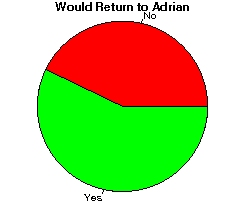
Education Major unemployment rate
Are things going well in Education?
Graduates who stayed in Education
| StudentsReview Advice!• What is a good school?• Statistical Significance • How to choose a Major • How to choose your Career • What you make of it? • How Ivy League Admissions works • On the Student/Faculty Ratio • FAFSA: Who is a Parent? • FAFSA: Parent Contribution • FAFSA: Dream out of reach • College Financial Planning • Survive College and Graduate • Sniffing Out Commuter Schools • Preparing for College: A HS Roadmap • Talking to Your Parents about College. • Is a top college worth it? • Why is college hard? • Why Kids Aren't Happy in Traditional Schools |

