


What is forensic psychology?
Forensic psychology is the intersection between psychology and the justice system. It involves understanding fundamental legal principles, particularly with regard to expert witness testimony and the specific content area of concern (e.g., competence to stand trial, child custody and visitation, or workplace discrimination), as well as relevant jurisdictional considerations (e.g., in the United States, the definition of insanity in criminal trials differs from state to state) in order to be able to interact appropriately with judges, attorneys and other legal professionals. An important aspect of forensic psychology is the ability to testify in court as an expert witness, reformulating psychological findings into the legal language of the courtroom, providing information to legal personnel in a way that can be understood.[1] Further, in order to be a credible witness the forensic psychologist must understand the philosophy, rules, and standards of the judicial system. Primary is an understanding of the adversarial system. There are also rules about hearsay evidence and most importantly, the exclusionary rule. Lack of a firm grasp of these procedures will result in the forensic psychologist losing credibility in the courtroom.[2] A forensic psychologist can be trained in clinical, social, organizational or any other branch of psychology.[3]
Generally, a forensic psychologist is designated as an expert in a specific field of study. The number of areas of expertise in which a forensic psychologist qualifies as an expert increases with experience and reputation. Forensic neuropsychologists are generally asked to appear as expert witnesses in court to discuss cases that involve issues with the brain or brain damage. They may also deal with issues of whether a person is legally competent to stand trial.
Questions asked by the court of a forensic psychologist are generally not questions regarding psychology but are legal questions and the response must be in language the court understands. For example, a forensic psychologist is frequently appointed by the court to assess a defendant's competence to stand trial. The court also frequently appoints a forensic psychologist to assess the state of mind of the defendant at the time of the offense. This is referred to as an evaluation of the defendant's sanity or insanity (which relates to criminal responsibility) at the time of the offense.[4] These are not primarily psychological questions but rather legal ones. Thus, a forensic psychologist must be able to translate psychological information into a legal framework.[5]
Forensic psychologists may be called on to provide sentencing recommendations, treatment recommendations or any other information the judge requests, such as information regarding mitigating factors, assessment of future risk and evaluation of witness credibility. Forensic psychology also involves training and evaluating police or other law enforcement personnel, providing law enforcement with criminal profiles and in other ways working with police departments. Forensic psychologists may work with any party and in criminal or family law. In the United States they may also help with jury selection.[6]
Schools that offer Bachelors for psychology

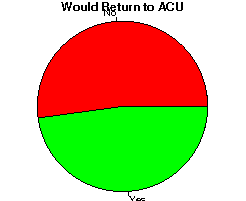

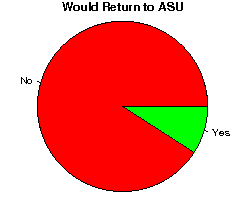



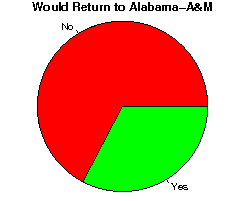
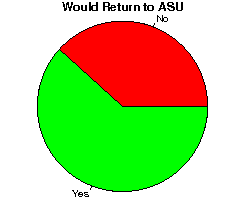

Psychology Major unemployment rate
Are things going well in Psychology?
Graduates who stayed in Psychology
| StudentsReview Advice!• What is a good school?• Statistical Significance • How to choose a Major • How to choose your Career • What you make of it? • How Ivy League Admissions works • On the Student/Faculty Ratio • FAFSA: Who is a Parent? • FAFSA: Parent Contribution • FAFSA: Dream out of reach • College Financial Planning • Survive College and Graduate • Sniffing Out Commuter Schools • Preparing for College: A HS Roadmap • Talking to Your Parents about College. • Is a top college worth it? • Why is college hard? • Why Kids Aren't Happy in Traditional Schools |

